FOALING
In The Wild
Wild mares give birth in isolation without human intervention, increasing risks of injury or foal mortality due to predation or environmental factors.
In Industry
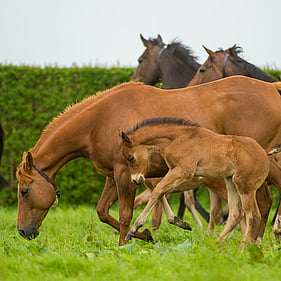
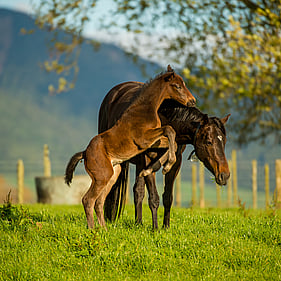
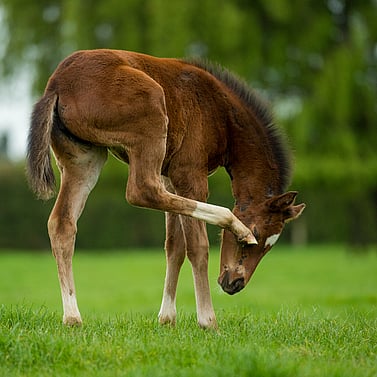
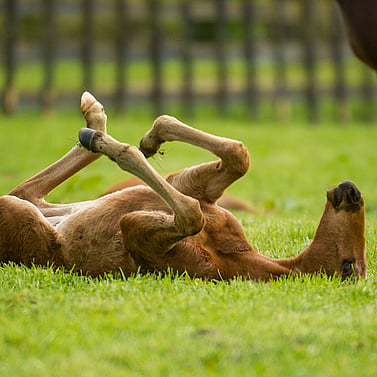
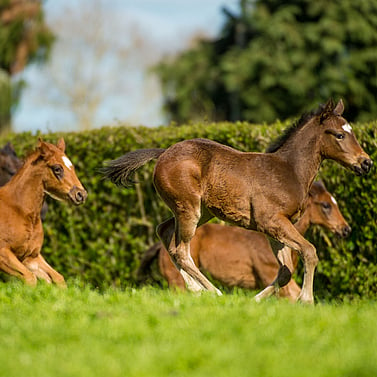
Foals are born outside in safe environments during the breeding season under 24/7 care from a team including vets to ensure the mare and foals health.
Is transporting pregnant mares and foals risky?
Nature
Wild horses typically give birth in the same general area where they live and roam. Mares carry their foals for about 11 months, so by the time they give birth, the herd may have moved significantly from the mating site.
Nurture
Transporting pregnant mares and foals is essential for breeding, sales, and relocation. While it carries risks, proper planning, veterinary oversight, and stress management ensure their safety. By following best practices, breeders can make transport a smooth and secure process.
What are common foaling complications?
Nature
In the wild, mares foal unassisted, with survival favoring those without complications. Risks include malpresentation, prolonged labor, retained placenta, and predation, with no intervention to aid struggling mares or foals. Only the fittest survive.
Nurture
In the Thoroughbred industry, foaling is closely monitored to manage risks. Common complications include dystocia, retained placenta, red bag delivery, and umbilical cord issues. With rapid intervention and veterinary care, most mares and foals have a high chance of survival.
Discover another life stage